
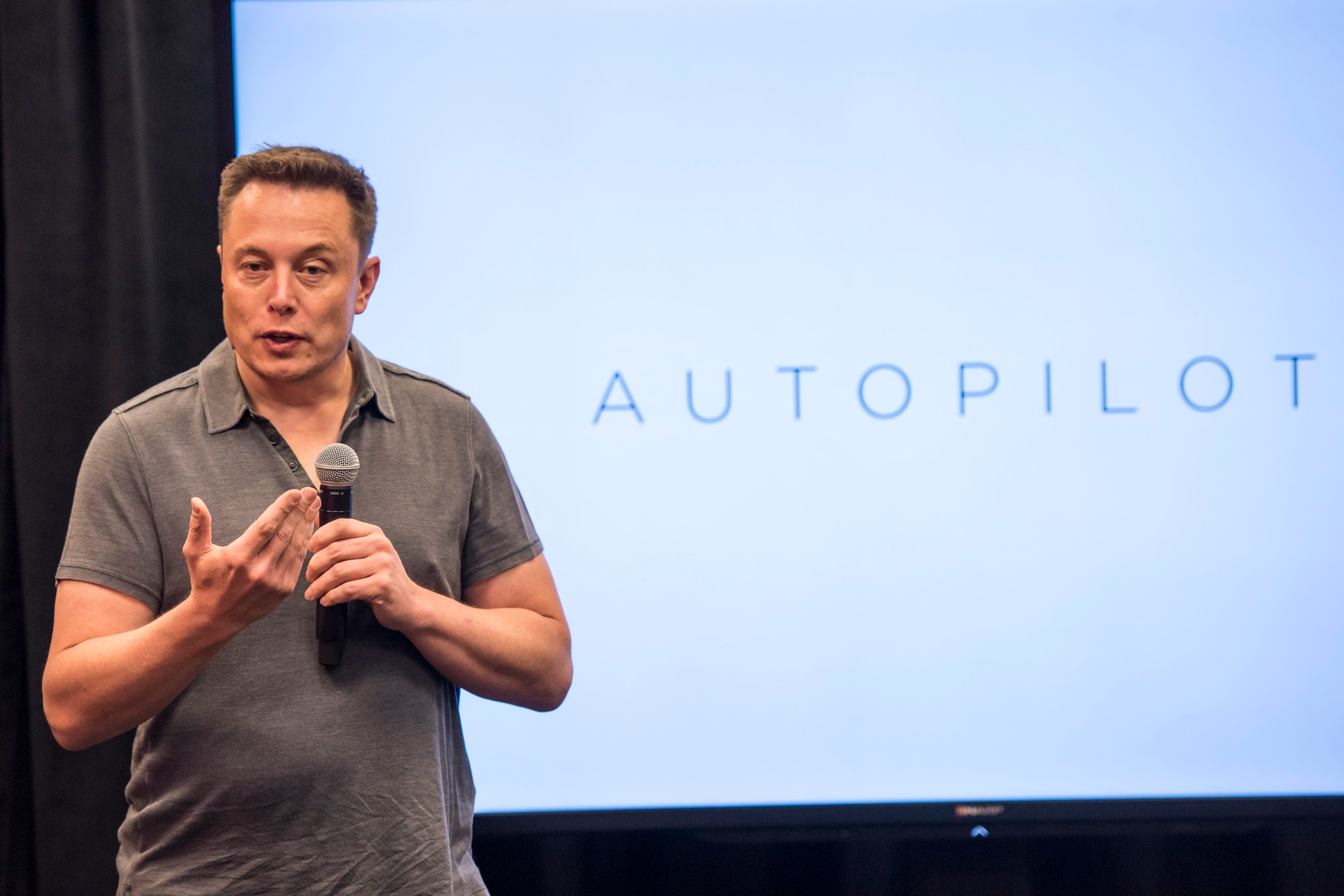
Elon Musk’s announcement that Tesla will soon stop selling its Full Self-Driving (FSD) software, leaving consumers with monthly fees as their only option, has inspired mixed reactions online and more questions about tech giants’ shift towards subscription-based services.
Musk, Tesla’s CEO, shared the news on Wednesday on X. FSD will no longer be available for outright purchase starting February 14, after which the software will “only be available as a monthly subscription.”
For Musk, the move signals an end to his longtime portrayal of FSD as an “appreciating asset,” worth buying outright now because the price will only rise as the software improves. And for Tesla, the change represents the latest decision by a tech giant to move towards a software-as-a-service (SaaS) model, in which a provider continues to host its software—handling updates, security, and maintenance—while renting it to users. But for the Tesla-curious and those who already own one of Musk’s cars, the move was a reminder of how difficult it has become to truly own things in today’s economy.
“Imagine buying a self-driving car and still having to pay a monthly subscription just for it to actually drive itself,” one user wrote in a reply to Musk’s announcement.
“You will own nothing and be happy.”
At current rates, Tesla owners can purchase FSD—which remains primarily a driver-assistance program that requires an attentive driver at all times—for $8,000, or opt for a monthly subscription for $99. Tesla owners who have already purchased FSD will retain the software, though it is unclear whether they will be able to transfer the rights to a new vehicle, as Tesla previously made possible through limited-time promotions. Tesla did not immediately reply to Fortune’s request for comment on whether rates would remain unchanged or transfers between vehicles would be possible after February 14. At the current monthly price point, it would take drivers around seven years to match the outright purchase cost.
Tesla has gradually raised FSD’s purchase price from $5,000 at launch to $ 15,000 in 2022, its most expensive point. Musk described the price hikes as evidence of FSD being a sound investment for consumers to get an early stake in, although the software’s upfront price dipped to $8,000 in 2024, around the same time Tesla reduced the monthly rental fee in the U.S. from $199 to $99.
The price slashes occurred in the wake of reports alleging a low conversion rate among Tesla drivers who opted to upgrade to FSD. While Tesla does not actively disclose the percentage of its customer base that uses FSD, CFO Vaibhav Taneja said the share was “still small, around 12% of our current fleet” during an October earnings call.
‘You will never actually own your EV’
Many of the replies to Musk’s announcement lamented the prevalence of subscription-based features that car companies now withhold.
“People want to own their stuff outright, not be eternally beholden,” one user wrote.
“You will never actually own your EV, because it will be useless without the software that you can never remove, replace, or modify,” said another, before adding a recommendation: “Stick to internal combustion engines with as few computers as possible.”
Criticism has ramped up recently about the software dependency of new vehicles, to the point that the industry has referred to electric cars as “smartphones on wheels.” Tesla is far from the only offender, as in August, Volkswagen released a new feature to increase the horsepower on some of its electric cars priced at $22.50 a month. GM also offers a subscription-based hands-free driving capability, Super Cruise, on designated highways. Launched in 2017, the service offers a three-year trial period, followed by a $25 monthly fee. Super Cruise has grown into a significant money-maker for GM, which late last year projected an active user base of 600,000 and more than $200 million in revenue for 2025.
Software updates and subscription fees in their cars might be starting to frustrate users. Last year, 68% of consumers said they would pay for car-connected services, according to an S&P Global survey, down from 86% in 2024.
While electric vehicles tend to be the most software-heavy, all cars nowadays rely on connected services in some way, regardless of their powertrain. Most modern cars are supported by up to a million lines of code, and frequent updates can quickly make some features incompatible. In 2022, as carriers upgraded their telecommunications infrastructure from 3G, many cars made by Toyota, Chrysler, and Jeep—including both battery- and gasoline-powered models—permanently lost access to a feature that automatically notified first responders in the event of a crash.
This story was originally featured on Fortune.com
Sign in to read the full article.
Sign in with Google